Do You Really Need Rail Protection on a SUP?
Carles CarreraIf you paddle often, your board is taking hits every session.
Not from crashes. From your paddle.
Most damage on a SUP doesn’t come from big moments. It comes from small, repeated contact on the rails. You don’t notice it at first. Then one day the rails look worn, chipped, or soft. By then, it’s too late to undo.
This article answers the question directly: do you actually need rail protection, or is it optional?
How SUP boards really get damaged
The typical image is a board breaking in waves or hitting rocks. That happens, but it’s not the main issue for most riders.
The real damage is:
- Paddle strikes on the rails, every session
- Micro-impacts that accumulate over time
- Transport and handling when loading the board
Modern boards, especially carbon constructions, are light and thin by design. That performance comes at a cost: they are less tolerant to repeated impact.
After a few weeks or months:
- paint starts to wear
- rails chip
- edges soften
It’s not one mistake. It’s repetition.

Who actually needs rail protection
Not everyone needs it. But most serious paddlers do.
You should use rail protection if:
- You paddle regularly, even in flatwater
- You race or train with intensity
- You own a carbon or performance board
- You care about keeping your board in good condition
- You plan to resell your board later
You might not need it if:
- You paddle very occasionally
- You use a soft-top or beginner board
- You don’t mind visible wear and tear
- You'll never sell your board
Being clear about this matters. Rail protection is not about fear. It’s about use case.
The cost of doing nothing
At first, rail damage looks cosmetic.
Then:
- small chips become deeper marks
- repeated hits weaken the rail edge
- water can eventually get into the structure
- resale value drops quickly
A clean board holds value. A damaged rail is one of the first things buyers notice.
For a premium board, the cost of protection is small compared to:
- long-term degradation
- loss of value
- visible wear after just a few sessions
What are your options
1. Do nothing
Most common approach. Also the reason most boards get damaged.
2. Cheap tapes or DIY solutions
Some riders try generic adhesive tapes or improvised protection.
These can work short-term, but often:
- don’t fit properly
- peel off
- don’t last
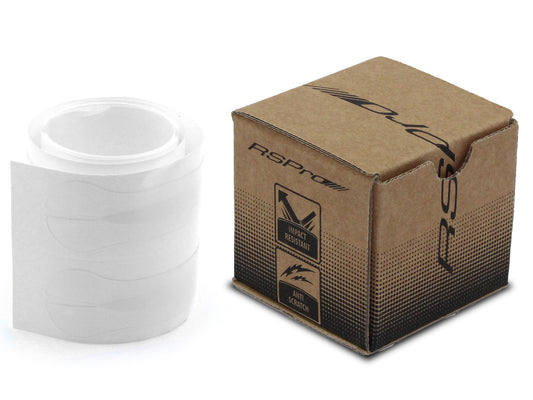
3. Proper rail savers
This is where serious riders end up.
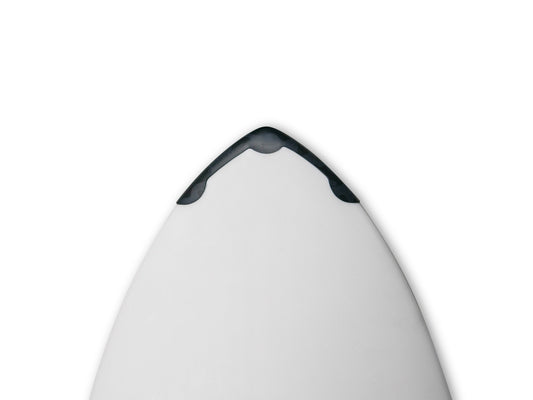
A proper rail saver is:
- designed to follow the rail shape
- durable under repeated paddle contact
- clean visually
- stable over time
It’s not just protection. It’s part of the board setup.

Why experienced riders use rail protection
At some point, most regular paddlers reach the same conclusion.
They don’t want to:
- worry about every stroke
- see damage appear after a few sessions
- deal with repairs later
Rail protection solves a simple problem:
You can paddle hard without thinking about the rails.
So, do you really need it?
If you paddle occasionally and don’t care about wear, probably not.
If you paddle regularly, train, race, or own a premium board:
Yes.
Rail protection is not an accessory. It’s basic protection for a part of the board that gets hit every session.
Final thought
Most riders don’t notice the problem until it’s already visible.
By then, the only option is to live with it or repair it.
Protection is simple. Damage is cumulative.
Explore rail protection for SUP:
https://www.rspro.org/collections/sup-rail-protection