Do I Need Traction Pads on a Longboard?
Carles CarreraLongboards and traction pads have never been an obvious match.
Longboarding is about flow.
Footwork.
Freedom to move.
Traction pads, on the other hand, are often associated with shortboards, aggressive turns, and locked-in stances. For many longboard surfers, wax has always been the only acceptable option.
But longboards have changed.
And so has traction.
So the real question today is not whether traction pads belong on longboards, but when they actually make sense.
Why Longboarders Traditionally Avoided Traction Pads
For decades, the reasons were simple and valid.
Wax was:
- Cheap
- Familiar
- Easy to apply anywhere
Traction pads were:
- Thick
- Visually intrusive
- Designed for shortboard riding
On a classic longboard, a full traction pad often felt wrong. It interrupted the look of the board and limited foot movement, which is exactly what longboarding celebrates.
That hesitation still makes sense today.
What Has Changed in Modern Longboarding
Modern longboarding is not just about trimming anymore.
Boards are often:
- Wider
- Heavier
- Ridden in more varied conditions
Many riders now use:
- Performance longboards
- SUP longboards
- Crossover shapes
These boards invite movement, but they also demand control, especially when stepping back, generating speed, or riding with more power.
This is where traction pads started to evolve.

What Traction Pads Actually Do on a Longboard
Traction pads do not change how a longboard rides.
They change how secure you feel while riding it.
On a longboard, traction pads can help with:
- Consistent grip without re-waxing
- Confidence when stepping back
- Stability during turns
- Cleaner decks over time
Good traction should feel present, but not restrictive. When done right, it supports movement instead of limiting it.
Partial Traction vs Full Traction on a Longboard
This is where most misconceptions live.
Traction does not have to mean covering the entire deck.
Many longboarders choose:
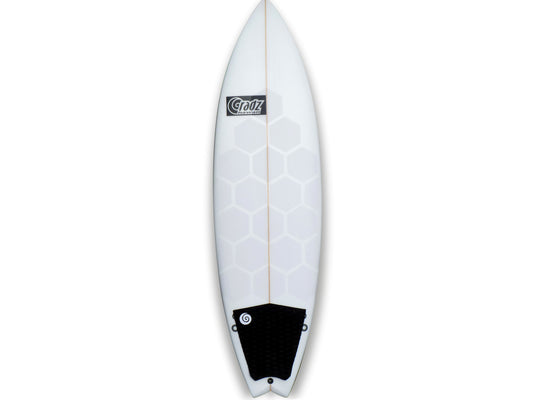
- Traction in the standing zone
- A clean nose for footwork
- A defined tail section for control
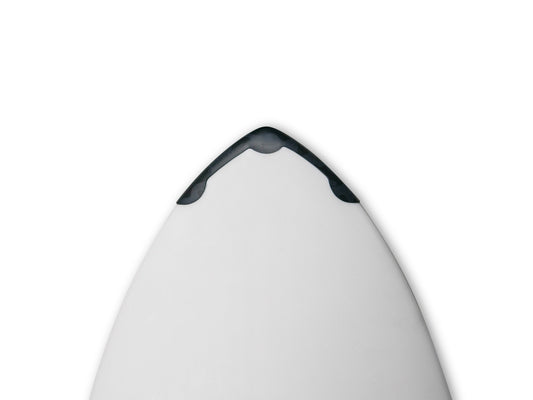
This modular approach keeps the board visually clean while adding grip exactly where it matters.

Traction Pads vs Wax on a Longboard
Wax still works. There is no debate there.
Wax feels familiar.
Wax is cheap.
Wax has tradition on its side.
But wax also:
- Melts
- Gets dirty
- Needs constant maintenance
- Changes grip depending on temperature
That is why many longboarders don’t replace wax entirely.
They reduce their dependence on it.
Traction pads provide a consistent base layer. Some riders still add a light wax layer on top. Others prefer traction alone. Both approaches are valid.

Does Traction Kill Board Feel?
Only bad traction does.
Modern traction systems are thinner, more flexible, and designed to blend into the board rather than dominate it.
The goal is not to lock your feet in place.
The goal is to give you confidence when you need it, and freedom when you move.
When traction disappears under your feet, it’s doing its job.
So, Do You Need Traction Pads on a Longboard?
The honest answer is simple.
You don’t need traction pads if:
- You love pure wax
- You ride in warm conditions
- You enjoy frequent maintenance
You might want traction pads if:
- You want a cleaner deck
- You surf in varying temperatures
- You value consistency and control
- You ride performance or SUP longboards
It’s not about right or wrong.
It’s about how you ride.

Final Thought
Longboarding has always been about adapting equipment to personal style.
Traction pads are not a replacement for tradition.
They are another option in the toolbox.
If they help you focus on the wave instead of your footing, they make sense.
Explore Traction Options
If you’re curious about modular traction systems for longboards, you can explore RSPro traction options here:
No pressure. Just solutions built around feel.