What Damages SUP Boards Most? 5 Mistakes That Destroy Expensive Boards
Carles CarreraMost SUP boards are not destroyed by one dramatic crash.
They get damaged slowly.
One paddle strike. One careless roof rack load. One bad beach landing. One small chip that lets water in. A few months later, a clean board starts looking tired.
If you own a premium SUP board, especially a carbon race, touring or surf board, damage prevention is not paranoia. It is basic ownership.
Here are the five most common ways SUP boards get damaged, and what you can do to avoid them.
1. Paddle strikes on the rails
This is the big one.
Every paddler hits the rail sooner or later. Beginners do it because they are still learning technique. Advanced riders do it because they paddle harder, change sides faster and put more pressure into every stroke.
The damage usually starts small:
- light scratches
- paint marks
- small chips
- worn rail edges
At first, it looks cosmetic. But repeated impacts add up. On lightweight carbon boards, the rails are often thin and stiff. That makes them fast, but not immune to paddle strikes.

This is why rail protection exists.
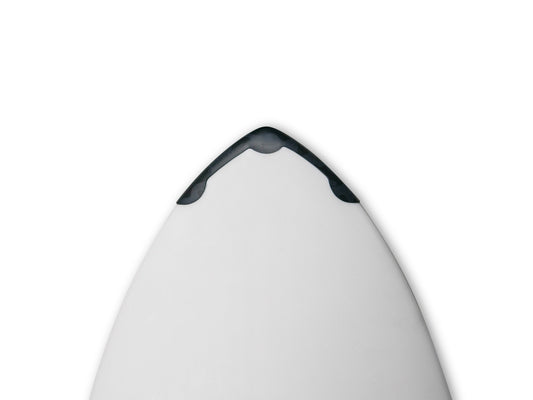
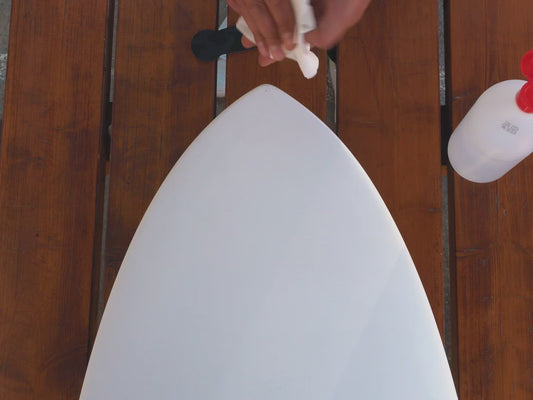
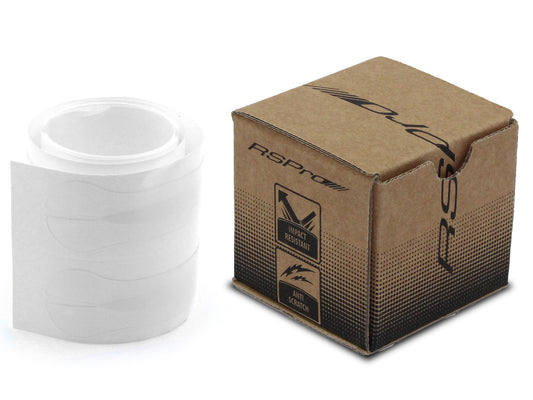
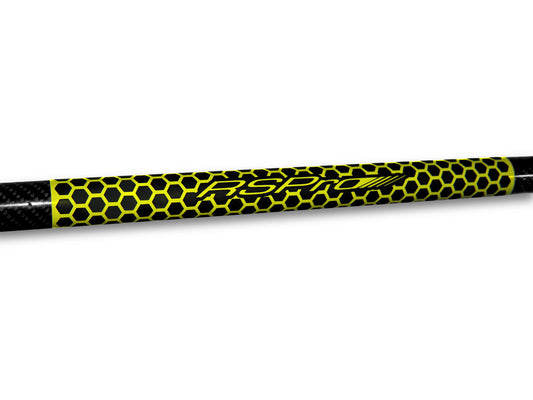
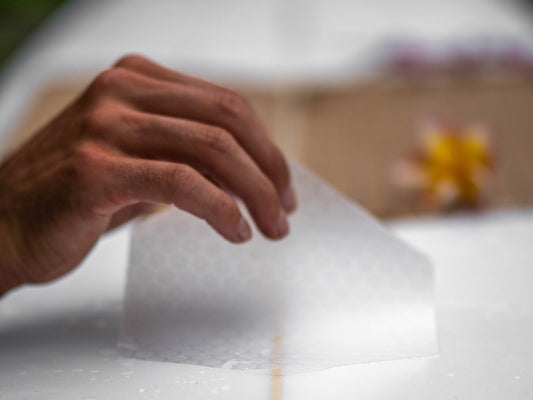
A good SUP rail saver takes the repeated contact before your board does. It is not there because you are careless. It is there because paddle contact is part of the sport.
Explore RSPro SUP rail protection
2. Transport damage
A lot of board damage happens before the board even touches the water.
Roof racks, van interiors, car parks, stairs, walls, straps and rushed loading all create risk. You finish a good session tired, carry the board badly for ten seconds, and that is when the damage happens.
Common transport damage includes:
- rail dents from roof racks
- tail damage from placing the board on hard ground
- scratches from loading and unloading
- pressure marks from overtightened straps
The board is usually safest on the water. It is often most vulnerable on land.
The best prevention is simple: use a good board bag, avoid dragging the board, protect the rails, and take loading seriously. Ten extra seconds of care can save a repair.
3. Beach landings and shallow water
Beach landings look harmless. They are not.
Sand hides rocks. Shallow water hides shells, stones and concrete ramps. A small wave can push the board sideways just as the fin or rail touches the ground.
This is especially relevant for:
- SUP surfing
- race beach starts
- touring in rocky areas
- foil and downwind boards
The nose, tail, rails and fin box are the usual victims.
The solution is not complicated. Step off earlier. Carry the board instead of dragging it. Avoid dropping the board on its rail. If conditions are rough, treat the landing as part of the session, not the end of it.

4. Poor storage
Storage damage is boring. It is also common.
Boards get leaned against walls. They fall. They sit under heat. They are stacked badly. They get compressed by other gear in garages, vans and clubs.
Over time, this creates:
- pressure dents
- scratched rails
- tail damage
- heat-related problems
- general cosmetic wear
A board does not need to be treated like a museum piece. But it should not live badly either.
Store it dry. Keep it out of excessive heat. Use a bag when needed. Avoid placing weight on the rails. Do not leave it where it can fall.
5. Ignoring small damage
The worst damage often starts as something small.
A chip. A crack. A soft spot. A scratch that looks deeper than usual.
Many riders ignore it because the board still works. That is understandable. But water and composite boards are not a good combination. If water gets into the structure, the problem can become bigger and more expensive.
Make a habit of checking your board:
- after paddle strikes
- after travel
- after rocky launches
- before storing it for a long period
You do not need to obsess. But you should look.
Small problems are easier to fix than hidden damage.

So, what damages SUP boards most?
Not one thing.
It is the combination of repeated use, careless handling and small impacts that riders underestimate.
The most common damage usually comes from:
- paddle strikes
- transport
- beach landings
- poor storage
- ignored small chips
None of this means you should be afraid to use your board.
A SUP board is made to be ridden. But if it is expensive, light and performance-oriented, it deserves basic protection.
Protect before damage starts
The best time to protect a board is when it is still clean.
Not after the rails are full of paddle marks. Not after the first repair. Not when resale value has already dropped.
Rail protection is a small detail, but it protects one of the most exposed parts of the board. For riders who paddle often, it is one of the simplest ways to keep a board looking better for longer.

That is why RSPro started with rail protection, and why serious paddlers still use it.
Protection is simple. Damage is cumulative.